primary schools in Pakistan are deprived of clean drinking water facility,

Primary Schools in Pakistan Deprived of Clean Drinking Water Facilities
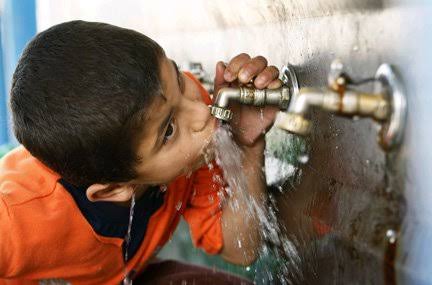
A large number of primary schools across Pakistan are facing a critical shortage of clean drinking water, raising serious concerns about the health and well-being of students. Surveys and reports from education and health authorities indicate that many schools lack functional water filtration systems, safe taps, or regular water supply, forcing children to rely on unsafe sources that pose risks of waterborne diseases such as diarrhea, cholera, and typhoid.
Officials from the education sector have acknowledged the problem and emphasized the need for urgent interventions, including installing water purification units, ensuring proper maintenance, and implementing hygiene awareness programs for students and staff. The lack of clean water disproportionately affects students in rural and underprivileged areas, where infrastructure challenges and resource constraints are more severe.
Health experts warn that inadequate access to potable water can impact school attendance, cognitive development, and overall learning outcomes. They recommend collaborative efforts between government agencies, non-governmental organizations, and local communities to provide sustainable solutions, such as rainwater harvesting, hand-pump filtration systems, and regular water quality testing.
Advocates argue that access to safe drinking water is a basic human right and essential for creating a healthy learning environment. Addressing this issue is critical to promoting child health, reducing absenteeism, and supporting broader educational development in the country.
—
خلاصہ (اردو میں)
پاکستان کے بہت سے پرائمری اسکولوں میں صاف پینے کے پانی کی سہولیات موجود نہیں ہیں، جس سے بچوں کی صحت خطرے میں ہے۔ حکام نے فوری اقدامات، پانی کی فلٹریشن، اور حفظان صحت کی تعلیم فراہم کرنے کی ضرورت پر زور دیا ہے تاکہ طلبہ کو محفوظ ماحول میں تعلیم حاصل ہو سکے۔