On a quiet Friday afternoon in a West Midlands town, worshippers slowly fill the main prayer hall of a modest brick mosque. After the sermon, a brief announcement is made: “We’re collecting donations for a water filtration project in Tharparkar, Pakistan. Please give generously.”
Within minutes, hundreds of pounds are raised. No questions are asked. No receipts requested. Just trust, faith, and an unspoken understanding: the money will reach those who need it “back home.”
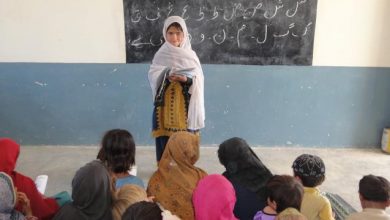
Across the UK, Pakistani diaspora communities have, over decades, quietly built a parallel infrastructure of philanthropy. From madrassa funding in Mirpur to orphan sponsorships in Swat, and from ambulance services in Karachi to boreholes in Balochistan, UK mosques and Islamic charities are reshaping welfare in Pakistan — often more visibly than the state itself.
A Quiet Financial Force
It’s difficult to quantify exactly how much money flows from British mosques to Pakistan each year. Much of it is raised informally — donation boxes, Friday appeals, or through local fundraising dinners. But estimates from community leaders and charity volunteers suggest the numbers are significant.
One mosque in East London reported raising over £400,000 in just under a year — the majority of which went to projects in Pakistan. Another in Yorkshire claimed to have funded the construction of five schools and dozens of wells through years of consistent giving.
These funds are often managed through informal networks — trusted contacts in villages, community elders, or linked religious institutions. Transparency varies widely. While some mosques work with registered UK charities and publish annual impact reports, others rely on word-of-mouth verification and photographs sent via WhatsApp.
The Emotional Economy of Giving
For many British-Pakistanis, especially first-generation migrants, giving to Pakistan is deeply personal. It’s not just about charity — it’s about memory, responsibility, and legacy.
“I still remember fetching water from a hand pump as a child,” said one donor in Birmingham. “Now I want to make sure no girl in my village has to walk for water again.”
Others give as a form of spiritual fulfilment — seeing their donations as both sadaqah (charity) and a way of remaining connected to their roots. “My kids speak English, my grandkids eat fish fingers. This is how I stay Pakistani,” said a mosque trustee.
This emotional link explains why donations often flow to rural, underserved areas — the “ancestral villages” of donors — rather than major urban centres. The giving is hyper-local, personal, and emotionally charged.
When Faith Becomes Infrastructure
In many parts of Pakistan, particularly where state services are weak or absent, these diaspora-funded projects provide essential services. Entire villages now rely on UK-funded water pumps, mobile clinics, solar panels, and religious schools. In some areas, these contributions have filled glaring development gaps — becoming the de facto welfare state.
But this model raises complex questions. Without oversight, who ensures quality and accountability? Without strategic planning, are these efforts sustainable or equitable?
A development worker based in Islamabad shared her concerns: “We see villages with three UK-funded madrassas but no working health centre. It’s not malicious — it’s just what gets funded.”
Concerns Around Radicalisation and Regulation
The Pakistani state and UK authorities have both raised concerns — quietly — about the potential misuse of diaspora funds. In the past, a small number of mosques and charities in the UK were investigated for sending money to organisations with ideological or militant affiliations in South Asia.
Although such cases are rare, they’ve cast a long shadow over diaspora philanthropy. The UK Charity Commission now requires greater documentation from Islamic charities operating overseas. Some mosques, wary of scrutiny, have begun formalising their donation processes — moving from informal transfers to audited partnerships with UK-registered NGOs.
But many smaller institutions remain hesitant. “Once you register, there’s paperwork, inspections, delays,” said a volunteer treasurer at a small mosque. “Our elders prefer direct giving — they say, ‘We know where it’s going.’”
The Generational Shift
Among younger British-Pakistanis, there’s a visible shift in how charitable giving is approached. While older donors focus on village-based relief, younger professionals are gravitating towards evidence-based development — funding education, girls’ scholarships, tech skills, and microfinance through established organisations.
Digital platforms like JustGiving and LaunchGood have also made fundraising more transparent and accessible. Campaigns now come with metrics, photos, and timelines. “I want to know my donation is empowering someone — not just building another wall,” said one donor in her 20s from Manchester.
This shift reflects a broader rethinking of the diaspora’s role — from passive giving to strategic investment.
Pakistan’s Missed Opportunity
Despite this vast pool of goodwill, the Pakistani government has largely failed to engage meaningfully with its UK-based donors. There is no structured outreach, no diaspora development bonds tailored to mosque networks, no technical assistance offered to improve accountability or impact.
One UK charity director put it bluntly: “We’re doing what your local government should be doing. The least they could do is help us do it better.”
Pakistan’s welfare ministries could partner with diaspora charities to scale successful models. Local authorities could match diaspora-funded initiatives. But without coordination, efforts remain fragmented — helpful, yes, but far from transformative.
A Future Worth Building Together
UK mosques will continue to fund Pakistan’s needs — with or without state support. But the question is whether this will remain a sentimental habit, or evolve into a strategic partnership for nation-building.
To get there, both sides must step up. UK institutions must commit to transparency and sustainability. Pakistan must move beyond token diaspora engagement and invest in building trust, tools, and policies that channel this generosity into long-term change.
Faith may be the bridge. But strategy must be the foundation.