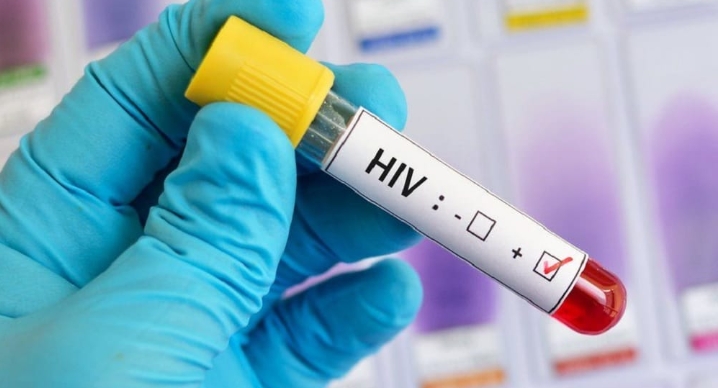
Pakistan is facing a growing public health challenge as experts warn that the country could record its highest-ever number of HIV cases in 2025. Once considered a nation with relatively low infection rates, Pakistan is now witnessing a steady and alarming rise in new HIV diagnoses, signaling an urgent need for stronger prevention, awareness, and treatment measures.
A Sharp Rise in New Infections
Over the past few years, Pakistan has seen a significant increase in HIV cases across several provinces, particularly Sindh, Punjab, and Khyber Pakhtunkhwa. Health officials have already reported thousands of new infections within the first nine months of 2025, suggesting that the total by year-end could surpass all previous records.
While official statistics provide only a partial view, the real number of people living with HIV is believed to be much higher due to underreporting and limited testing facilities. Many individuals remain undiagnosed, meaning they unknowingly transmit the virus to others, creating an invisible but growing epidemic.
Why the Numbers Keep Rising
Several social and structural factors are fueling this rapid increase in HIV cases across Pakistan:
Limited Testing and Late Diagnosis
Many people are unaware of their HIV status because testing services are not easily accessible. Stigma and fear of discrimination also discourage individuals from getting tested, allowing the infection to spread silently.
Unsafe Medical Practices
Reuse of syringes, unscreened blood transfusions, and poor infection control in some clinics continue to play a major role in transmitting the virus, especially in rural and low-income areas.
Social Taboos and Lack of Awareness
Discussions about sexual health remain taboo in much of Pakistani society. This lack of open dialogue prevents people from learning how HIV spreads or how to protect themselves through safe practices.
Drug Use and High-Risk Behavior
Intravenous drug users who share needles contribute significantly to new infections. In urban centers, unsafe sexual behavior among high-risk group.
Poor Access to Treatment
Even for those who are diagnosed, consistent access to antiretroviral therapy (ART) remains a challenge. Many patients stop treatment due to stigma, long travel distances to HIV centers, or interruptions in medicine supply.
The Human Cost of Inaction
The growing number of infections is not just a statistic — it represents families, communities, and futures at risk. Without proper intervention, Pakistan could see a sharp increase in AIDS-related deaths, orphaned children, and healthcare costs in the coming years. Beyond the medical burden, the epidemic also fuels social exclusion and deepens poverty among already vulnerable groups.
Steps Toward Controlling the Crisis
Reversing this trend will require urgent, coordinated action from both the government and society. Several key steps can help slow the spread and improve care for people living with HIV:
Expand Nationwide Testing
Make HIV testing widely available and confidential in hospitals, community centers, and mobile clinics.
Improve Healthcare Standards
Enforce strict infection-control procedures and eliminate the reuse of medical equipment.
Promote Awareness and Education
Launch campaigns that provide accurate information about HIV transmission, prevention, and treatment — especially targeting youth and rural populations.
Increase Access to Treatment
Strengthen the distribution of ART medicines and ensure that every diagnosed patient can receive free and continuous treatment.
Reduce Stigma
Encourage compassion, not discrimination. Public figures, educators, and media outlets should help normalize conversations about HIV and humanize those affected by it.
A Critical Year Ahead
Pakistan stands at a crossroads in 2025. The growing number of HIV cases is a warning that can no longer be ignored. With political will, better funding, and community participation, it is still possible to prevent the situation from spiraling further out of control.
The path forward demands courage — to face the stigma, to improve healthcare, and to protect future generations from a preventable epidemic.