
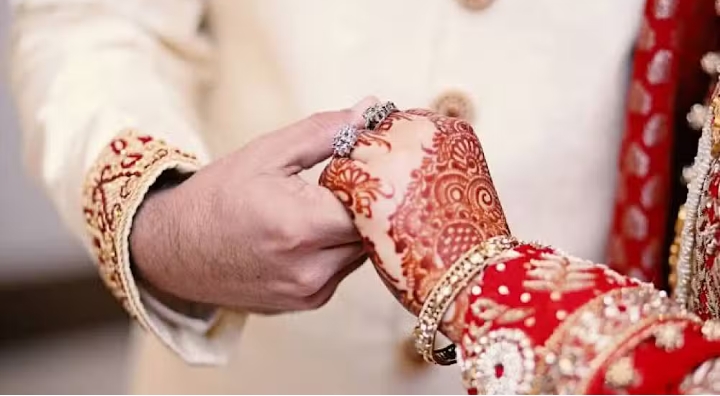
In a landmark move welcomed across the country, Balochistan has officially banned child marriage, marking an important step towards safeguarding the rights and well-being of children—particularly young girls—across the province. The decision has been celebrated by civil society organisations, education activists, and community leaders who have long advocated for stronger legal protections to curb early marriages and promote gender equality.
For years, Balochistan has struggled with a range of social challenges, and child marriage remained one of the most deeply rooted issues. Many girls were forced to leave school early, sacrificing their education and personal growth due to cultural pressures and economic hardships. With the new ban in place, the province aims to address these long-standing concerns and create an environment where every child can enjoy a safe and secure childhood.
The law sets a clear minimum age for marriage and introduces penalties for individuals involved in arranging, facilitating, or conducting underage marriages. Officials believe that these measures will play a crucial role in discouraging harmful practices and ensuring accountability within communities. The enforcement mechanism is expected to involve local administrations, law-enforcement bodies, and social welfare departments working in coordination to detect violations and support affected children.
Women’s rights groups have praised the legislation as a progressive milestone. They emphasise that early marriage often leads to severe health risks, emotional trauma, and limited life opportunities for girls. By banning child marriage, Balochistan is taking a strong stand against gender-based inequality and giving girls a better chance to complete their education, pursue careers, and contribute meaningfully to society.
Educationists also highlight that the decision will have far-reaching benefits for the province’s development. Studies consistently show that when girls stay in school longer, communities experience improved literacy rates, stronger economies, and healthier families. Ensuring that children marry only after reaching adulthood supports these broader social goals and aligns the province with national and international standards of child protection.
Community awareness will, however, remain critical for the law’s success. Many activists stress the need for ongoing campaigns to inform families about the harmful consequences of early marriage and the legal repercussions of violating the ban. Religious scholars, teachers, and local policymakers are being encouraged to play active roles in spreading awareness and ensuring the law gains acceptance at the grassroots level.
The provincial government has pledged to complement the legislation with social support programmes aimed at reducing economic pressures that often push families toward early marriages. Initiatives may include scholarships for girls, vocational training opportunities, and family-assistance schemes to help vulnerable households prioritise education over outdated traditions.
Balochistan’s decision to ban child marriage marks a hopeful moment for the province. It represents a commitment to progress, justice, and the protection of future generations. While challenges remain in ensuring full implementation, the move sets a strong foundation for positive change and reflects a growing recognition that every child deserves the chance to grow, learn, and thrive without fear of being forced into adulthood too soon.


