
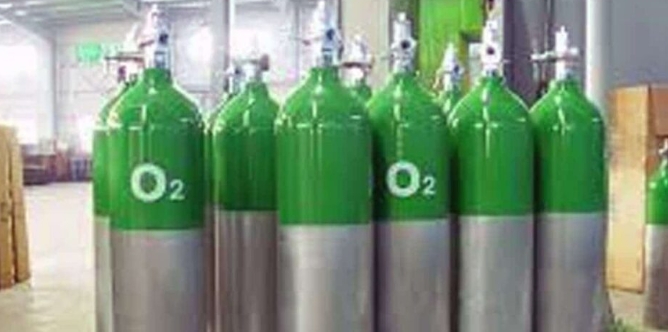
In a major boost to Pakistan’s healthcare infrastructure, the United Nations Development Programme (UNDP) has announced a $52 million initiative to establish 36 oxygen generation plants across the country. The project aims to strengthen the national health system by ensuring a sustainable and reliable supply of medical oxygen — a critical need exposed during the COVID-19 pandemic and other respiratory health crises.
A Lifeline for Pakistan’s Health System
The UNDP-led project is being implemented in collaboration with Pakistan’s Ministry of National Health Services, Regulations and Coordination, along with provincial health departments. The initiative is expected to enhance the country’s capacity to treat patients with respiratory illnesses, particularly in remote and under-resourced regions where oxygen shortages have historically hampered emergency medical care.
According to UNDP officials, the program’s goal is not just to install oxygen plants but also to ensure long-term operational sustainability through staff training, maintenance support, and improved hospital infrastructure.
Addressing Past Shortcomings
During the peak of the COVID-19 pandemic, Pakistan faced severe shortages of medical oxygen and critical care equipment. Many hospitals struggled to meet patient needs due to limited production capacity and supply chain bottlenecks. This new initiative directly addresses those challenges by decentralizing oxygen production — allowing hospitals to generate their own oxygen independently rather than relying solely on external suppliers.
Details of the Project
Total Plants: 36 oxygen generation plants to be installed nationwide.
Funding: $52 million allocated under the UNDP-led Health System Strengthening initiative.
Focus Areas: Underserved districts and secondary-level hospitals.
Implementation Timeline: The installation process will roll out in phases over the next 18–24 months.
Capacity Building: Training of local technicians and biomedical engineers to ensure smooth operation and maintenance.
Provincial Distribution
The oxygen plants will be strategically distributed among Pakistan’s provinces — Punjab, Sindh, Khyber Pakhtunkhwa, Balochistan, Gilgit-Baltistan, and Azad Jammu & Kashmir — to ensure equitable access. Remote healthcare facilities, which often struggle with logistics and oxygen supply, will receive priority.
UNDP’s Broader Vision
This initiative is part of UNDP’s broader mission to strengthen health resilience in developing countries. By supporting Pakistan’s capacity for self-sufficient oxygen generation, the organization aims to help the nation better prepare for future pandemics and health emergencies. The project also aligns with the United Nations Sustainable Development Goal 3 (Good Health and Well-Being).
National Response and Future Outlook
Health officials in Pakistan have welcomed the UNDP’s support, calling it a “timely and transformative investment” in the country’s medical infrastructure. Experts believe that these oxygen plants will not only improve emergency care but also help reduce mortality rates from preventable respiratory conditions.
Furthermore, the initiative is expected to encourage public-private partnerships and technology transfer, paving the way for sustainable healthcare innovations in Pakistan.
Conclusion
The establishment of 36 oxygen plants under UNDP’s $52 million health initiative marks a crucial step toward building a more resilient and equitable healthcare system in Pakistan. With improved access to life-saving medical oxygen, hospitals across the country will be better equipped to respond to emergencies, safeguard patient lives, and strengthen the nation’s overall public health capacity.


