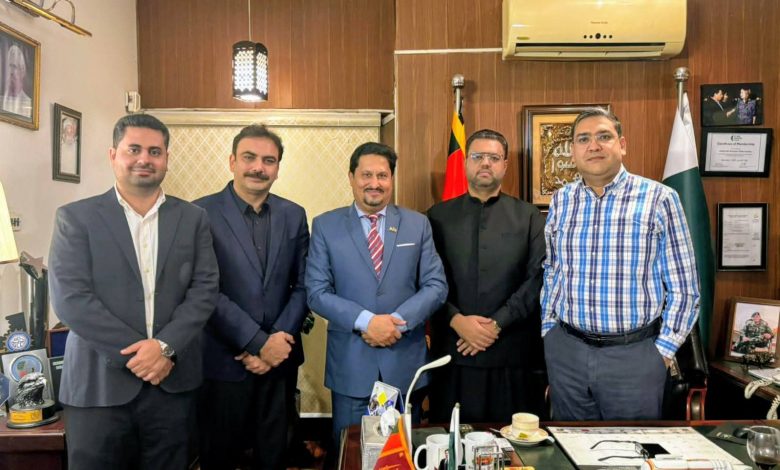
Muhammad Ali Humayun Butt paid an important and cordial visit to the Sri Lankan Consulate in Punjab, Lahore, marking yet another positive step in strengthening regional cooperation and people-to-people ties between Pakistan and Sri Lanka. His visit highlighted the ongoing commitment to expand diplomatic, cultural, and economic collaboration, while also appreciating the historical friendship shared by the two South Asian nations.
During the meeting, Mr. Butt was warmly received by officials at the consulate, who briefed him on Sri Lanka’s diplomatic engagements in Punjab, current areas of cooperation, and future opportunities that both countries can explore. The atmosphere was friendly, constructive, and reflective of the mutual respect that has long defined Pakistan–Sri Lanka relations.
Muhammad Ali Humayun Butt conveyed Pakistan’s appreciation for Sri Lanka’s consistent support at regional and international forums. He emphasised that both countries have always stood by each other in difficult times—whether in matters of security, trade, or humanitarian assistance. This longstanding friendship, he noted, should be further strengthened by improving connectivity, enhancing cultural exchange, and boosting bilateral trade.
One of the key highlights of the visit was the discussion on expanding investment avenues between Punjab and Sri Lankan business sectors. Mr. Butt encouraged greater participation of Sri Lankan investors in Punjab’s growing industries, particularly agriculture technology, tourism, education services, and information technology. He pointed out that Punjab, being the economic heart of Pakistan, provides promising opportunities for joint ventures and business exchanges.
The conversation also touched upon academic and cultural cooperation. Both sides acknowledged that people-to-people contact is essential for strengthening diplomatic ties. Mr. Butt suggested increased collaboration between universities, student exchange programmes, and joint cultural events that showcase the shared heritage and brotherhood of the two nations. He appreciated Sri Lanka’s interest in cultural diplomacy and encouraged further initiatives in Lahore, a city known for its historical richness and hospitality.
Additionally, Mr. Butt praised the efforts of the Sri Lankan Consulate for facilitating Sri Lankan citizens living or working in Pakistan and for maintaining an active diplomatic presence in Punjab. He noted that such engagements help promote goodwill, understanding, and mutual respect between communities. He also assured the consulate of complete support from relevant authorities in ensuring a smooth environment for diplomatic activities.
Humanitarian cooperation and tourism were also discussed. With tourism emerging as a key economic sector for both countries, Mr. Butt highlighted the potential for promoting religious and cultural tourism. Pakistan, home to Buddhist heritage sites such as Taxila and Takht-i-Bahi, attracts interest from Sri Lankan travellers, while Sri Lanka remains a preferred destination for Pakistani tourists seeking natural beauty and cultural experiences. Strengthening travel facilitation can significantly boost tourism flows from both sides.
The visit concluded on a positive note, with both parties expressing hope for deeper cooperation. Mr. Butt reiterated that Pakistan values its friendly relations with Sri Lanka and views the partnership as one rooted in trust, regional peace, and shared aspirations for development. The consulate staff thanked him for his visit and expressed their commitment to working together for the prosperity of both nations.
Muhammad Ali Humayun Butt’s visit to the Sri Lankan Consulate in Lahore stands as a strong reminder that diplomatic engagement at the provincial level is equally vital in shaping broader foreign relations. His interactions not only reaffirmed the importance of bilateral ties but also opened new avenues for collaboration in trade, culture, education, and tourism. With continued efforts, both Pakistan and Sri Lanka can look forward to a future marked by stronger cooperation and mutual growth.